About the TOKYO ATLAS International Art Exhibition
The arts and culture fundamentally shape the character of a city and drive its continued growth. In Tokyo, a megacity where countless people and perspectives intersect, this exhibition aims to be more than a place to display works of art. Using art as a catalyst, it will encourage interaction across different fields, bringing together artists, audiences, companies, educational institutions, and others, encouraging awareness of diverse viewpoints, inviting reflection on contemporary issues, and sparking curiosity about the future. The TOKYO ATLAS International Art Exhibition will be held in Tokyo's waterfront area, which also serves as a gateway to the wider world, and in this dynamic setting where the city and shoreline meet, artists from Japan and overseas will come together and, through their work, present a new vision of Tokyo. The ATLAS in the title refers both to Atlas, the mythological figure who upholds the world, and to an atlas as a book of maps. Alongside exhibitions by prominent international artists, a special program will feature emerging artists who have received support from the Tokyo Metropolitan Government. Through the diverse artistic approaches that intersect here, the exhibition aims to offer opportunities for people to not only encounter art but also to follow the maps presented by the artworks, experience Tokyo in a new light, and deepen their understanding of the metropolis.
OVERVIEW
NAME
TOKYO ATLAS International Art Exhibition
VENUES
[Daiba Area] Daiba Park/Odaiba Marine Park [Aomi Area] Telecom Center Building, Aomi Minami Port Park, Underground Parking Lot Within Aomi Minami Port Park [Tennoz Area] Isle Shinagawa, WHAT MUSEUM
*Free Admission. Fees apply to some programs and exhibitions.
DATES
Saturday, October 10—Sunday, December 20, 2026. Closed Mondays (except October 12 and November 23; closed the following Tuesday instead) OPENING HOURS: 10am—5pm
ORGANIZERS
Tokyo Metropolitan Government, Executive Committee for the Tokyo International Festival of Arts and Culture, Tokyo Metropolitan Foundation for History and Culture
ARTISTIC DIRECTORS
Miki Akiko, Tatehata Akira
PROJECT TEAM
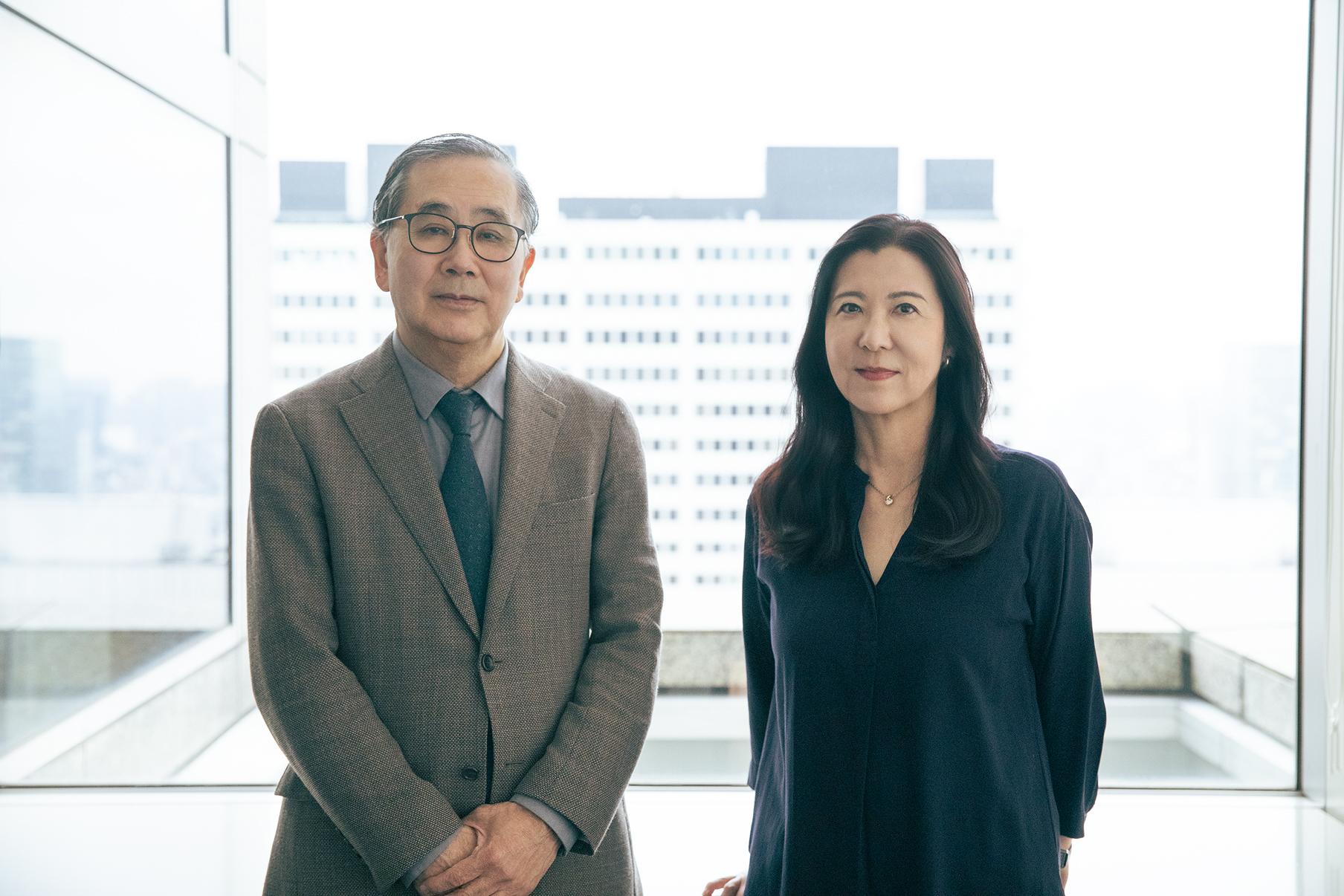
ARTISTIC DIRECTORS
Tatehata Akira
Art critic, poet / Director, Yayoi Kusama Museum; Director, Kyoto Art Center; Director, Kawaguchi Museum of Art; Professor Emeritus, Kyoto City University of Arts and Tama Art University
Tatehata has held positions including Chief Curator at the National Museum of Art, Osaka; Professor at Tama Art University; Director of the National Museum of Art, Osaka; President of Kyoto City University of Arts; President of Tama Art University; and Visiting Scholar at Columbia University. Alongside his work in planning contemporary art exhibitions and involvement in education and research at museums and universities, he has served in leadership roles for major international exhibitions, including Commissioner of the Japan Pavilion at Venice Biennale (1990, 1993) and as artistic director of Yokohama Triennale (2001), Aichi Triennale (2010), and Cultural City of East Asia Kyoto Asia Corridor (2017). His honors include the Order of Australia, Commendation for the 50th Anniversary of the Agency for Cultural Affairs, and Kyoto City Cultural Merit Award. As a poet, he has received the Rekitei Newcomer Award, Takami Jun Prize, Hagiwara Sakutaro Prize.
Tatehata Akira Team
Huang Mengyuan(Assistant Curator)
Nishiyama Yuko(Project Coordinator)
Mizuta Sayako(Coordinator)
Miki Akiko
Curator / Director, Naoshima New Museum of Art; International Artistic Director, Benesse Art Site Naoshima
Miki served as Chief and Senior Curator at Palais de Tokyo (Paris, France) from 2000 to 2014 as a founding member. She has taken on roles as artistic director and curator for major international contemporary art exhibitions, including Taipei Biennial (1998), Yokohama Triennale 2011 (Artistic Director), Yokohama Triennale 2017 (Co-Director), and Bangkok Art Biennale (2024). She has also worked as a guest curator on numerous exhibitions at institutions such as the Barbican Art Gallery (London); the Taipei Fine Arts Museum; the National Museum of Modern and Contemporary Art, Korea; the Mori Art Museum, the Yokohama Museum of Art, the Kyoto City KYOCERA Museum of Art, and the Hirosaki Museum of Contemporary Art. She has co-authored and co-edited many publications, including Insular Insight (Lars Müller, 2011), which received the DAM Architectural Book Award.
Miki Akiko Team
Kanehira Hikotaro(Curator)
Sakaguchi Chiaki(Project Coordinator)
Ohzone Tomomi(Coordinator)
ABOUT TOKYO ATLAS
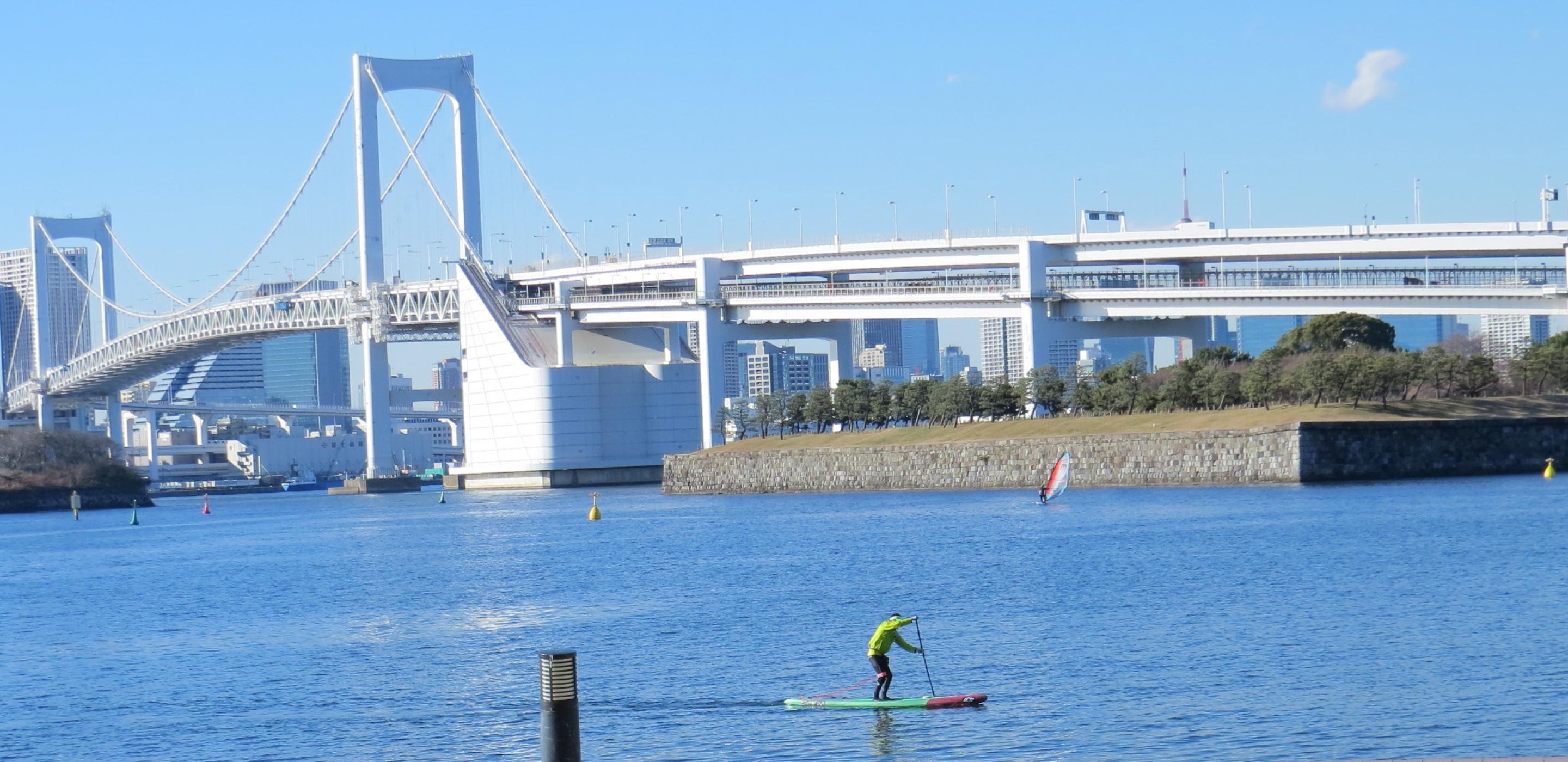
The TOKYO ATLAS International Art Exhibition aims to create a platform where art fosters new ways of seeing, thinking, and interacting, grounded in Tokyo as a city shaped by intersecting international cultural currents. The waterfront area that serves as the venue quite literally represents a global city open to the sea, making it a setting that aligns closely with the exhibition's intent. A defining feature of this exhibition is its decision to place diverse art projects outside of dedicated art venues such as museums. Instead, they are deliberately situated within urban spaces where civic life unfolds, allowing the works to exist alongside the city's everyday rhythms and sights. The ATLAS in the title refers both to Atlas, the mythological figure who upholds the world, and to an atlas as a book of maps. As visitors move through the city and come across works installed in different locations, they experience a succession of discoveries, much like following a map of unfamiliar terrain. In doing so, they are also invited to look again at Tokyo itself, seeing the city from a renewed perspective. One of the exhibition's main venues, Daiba Park, is an artificial island built in the late Edo period (1603–1868) as a battery intended to repel ships demanding that Japan open its ports to trade, yet it ultimately marked the country's opening to the world without a single shot being fired. Works set within this historic park, which marked the beginning of the modern era in Japan, are sure to produce an extraordinary landscape in which history meets forward-looking art face to face. Another of the main venues, the Aomi Minami Port Park area, lies next to a container terminal and overlooks the Port of Tokyo, including the Tokyo International Cruise Terminal, offering a panorama of the city's international maritime activity. Through a range of works and projects unfolding across outdoor and underground spaces, visitors are invited to reflect on the urban landscape, infrastructure, and locality from a perspective rooted in the site itself. By taking existing urban spaces in new directions, the exhibition allows audiences to engage with the expansive imagination and varied perspectives of artists active on the international art scene, while also drawing attention to lesser-seen sides of Tokyo itself—what one might call its raw, untamed vitality. The exhibition also includes a section dedicated to works by emerging artists supported by the Tokyo Metropolitan Government. It is hoped that this initiative, staged in the midst of the urban environment, will foster curiosity about the future and trace the outlines of a new atlas for the future. Executive Committee for the Tokyo International Festival of Arts and Culture, TOKYO ATLAS Artistic Directors Miki Akiko and Tatehata Akira
VISUAL IDENTITY
The word “atlas” in the title carries the sense of a book of maps, signifying an approach to mapping the character and history of each location. The waterfront area, the site of the first TOKYO ATLAS exhibition, consists of reclaimed land developed in stages under different roles over time: Daiba, built as a gun battery in the Edo period; Aomi, a hub for shipping and logistics; and Tennoz, a warehouse district turned center for cultural activity, each with its own distinct character. The visual identity was designed to establish TOKYO ATLAS as an international art exhibition while also offering a framework for understanding its venues. Drawing on archival materials and data, we researched the changes the land has undergone and the human activity that has shaped it, and translated this into a visual form. Rather than a single fixed logo, it takes shape as a design that responds to place and context, forming the foundation for the exhibition experience.
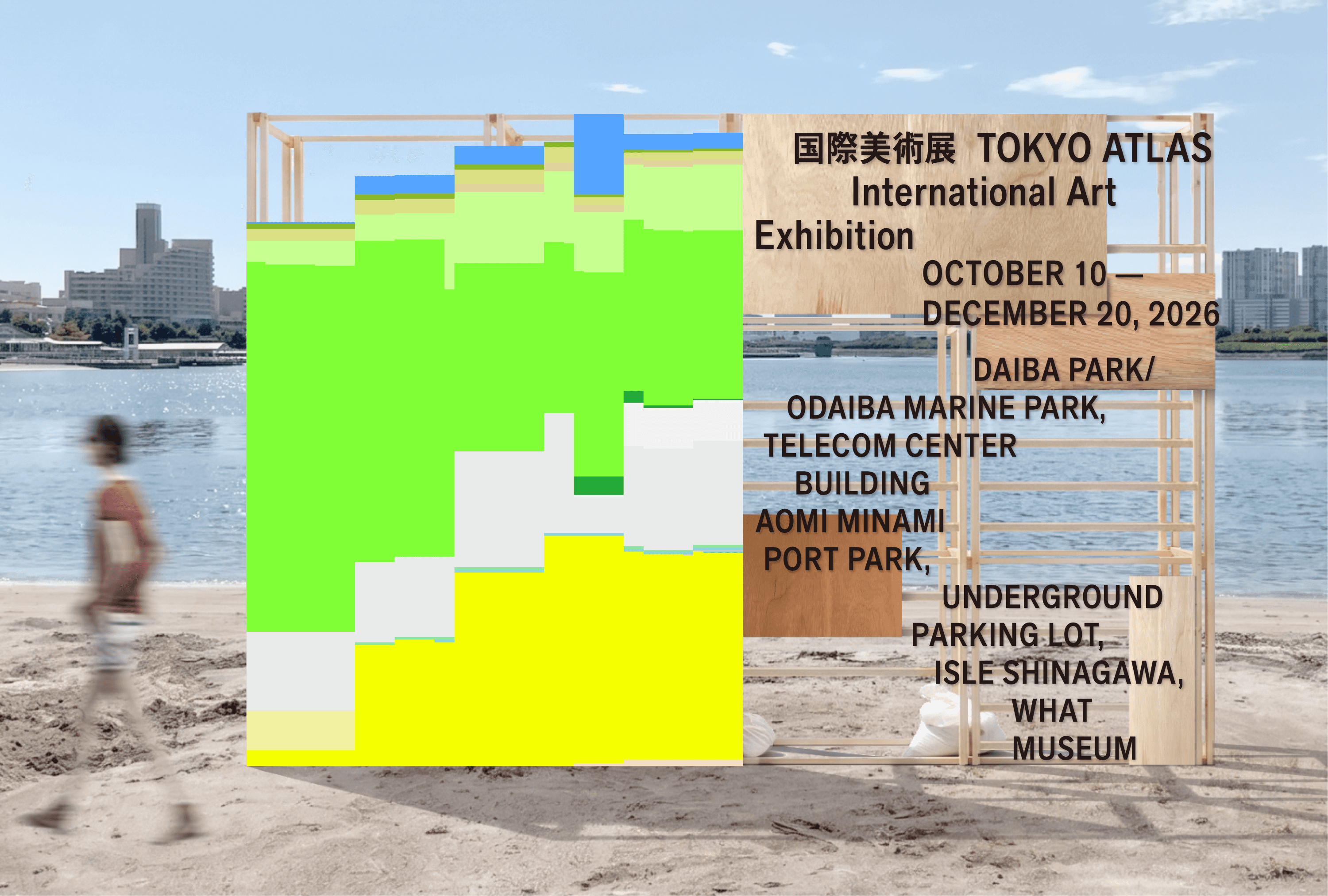
VISUAL IDENTITY DESIGNER
Tanaka Yoshihisa + centre Inc.
Born in 1980. Graduated from the Department of Scenography, Display and Fashion Design at Musashino Art University, and completed a Master’s Degree in Media and Governance at Keio University Graduate School. Through centre Inc., which he leads, he collaborates with government, educational, and corporate institutions, researching contemporary design fields starting from the expansion of visual language in print media, and putting the results into practice in society. Major projects include visual identity programs for the Tokyo Photographic Art Museum, the Japan Pavilion at the 58th Venice Biennale, Aichi Triennale 2022, and Tokyo Art Book Fair, as well as the Takeo Paper Show 2018 and art direction for Issey Miyake. He is also active as one half of the artist duo Nerhol. He received the 2024 (75th) Art Encouragement Prize for New Artists from the Minister of Education, Culture, Sports, Science and Technology.
PARTNERS
As of August 2026
SUPPORT



GRANT

SPONSORS